Indoor air quality plays a bigger role in your comfort and health than most people realize. Even if your home looks clean, the air you breathe can contain a mix of invisible contaminants that build up over time. Every day, pollutants such as dust, mold spores, pet dander, and volatile organic compounds (VOCs), can circulate through your home and impact the way you feel—especially if you have allergies, asthma, or other respiratory sensitivities.
The good news is that air filters and air purifiers can make a meaningful difference in reducing these pollutants and improving your home’s air quality.
Dust and Debris
One of the most common air contaminants is dust. Dust is made up of tiny particles like dirt, fabric fibers, pollen, and skin cells. It settles on surfaces, but it also becomes airborne when you walk around, vacuum, or run your HVAC system. Over time, dust can irritate your eyes, throat, and sinuses and can contribute to coughing or congestion. High-quality HVAC filters help trap dust before it recirculates, reducing the amount that spreads throughout your home.
Mold and Mildew
Mold is another serious concern, especially in humid environments. Mold spores can grow in damp areas like basements, bathrooms, attics, and even inside HVAC systems if moisture is present. When mold spores become airborne, they can trigger allergies, headaches, and respiratory irritation. In some cases, prolonged exposure can worsen asthma symptoms or lead to ongoing breathing issues. Proper filtration helps capture mold spores, and air purifiers can add another layer of protection by continuously cleaning the air in high-risk areas.
Pet Dander
If you have pets, pet dander is likely a major contributor to indoor air pollution. Pet dander consists of tiny skin flakes that animals shed, along with proteins found in saliva and urine. Because these particles are lightweight, they can remain in the air for long periods and easily spread throughout a home. Pet dander is a leading cause of allergy flare-ups and can make indoor air feel stuffy or irritating. Air filters are especially effective at capturing pet dander and other fine particles.
Volatile Organic Compounds
VOCs—volatile organic compounds—are chemical pollutants released as gases from certain household products. Common sources include paint, cleaning supplies, air fresheners, adhesives, furniture, and even some flooring materials. VOC exposure can cause headaches, dizziness, nausea, and irritation of the eyes and throat. While standard HVAC filters primarily capture particles, some purifiers use activated carbon to help reduce VOCs and odors.
Let Us Help You in 2026
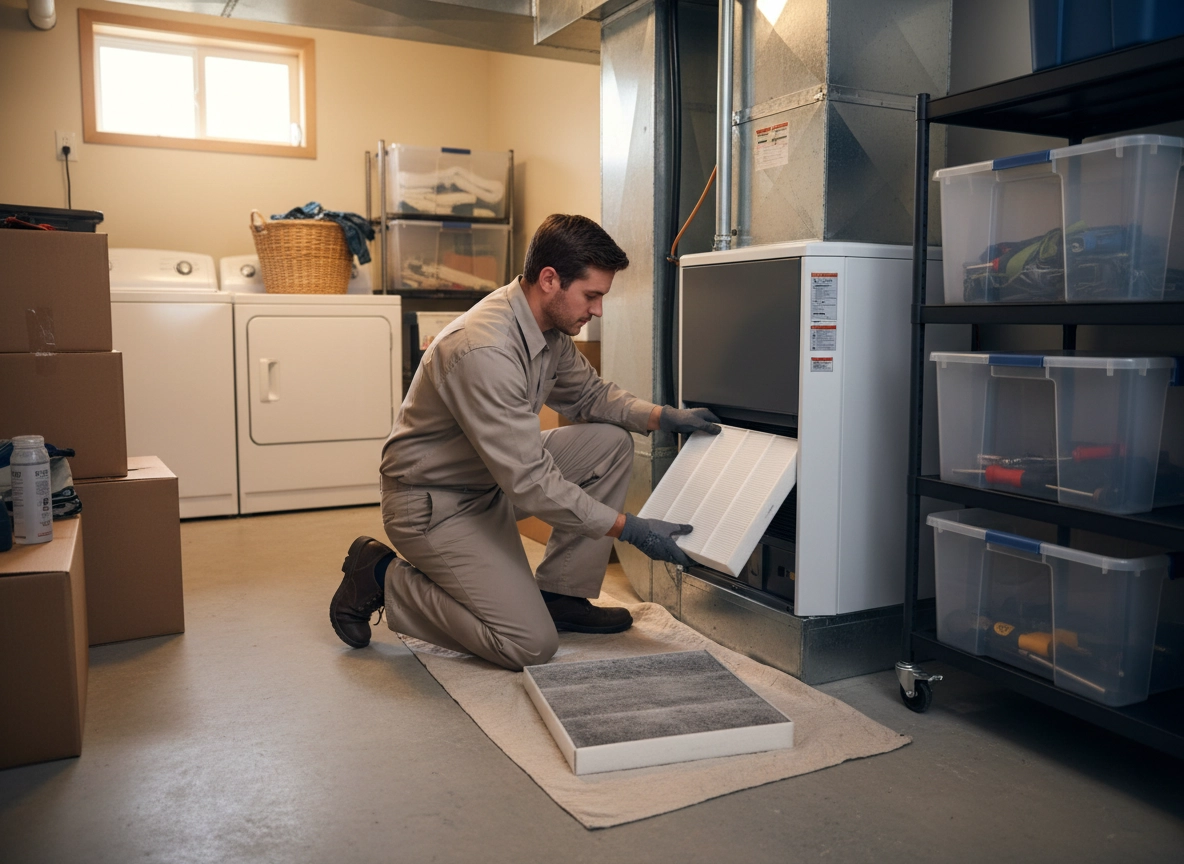
So, how do air filters and air purifiers help? Your HVAC air filter is your first line of defense. Upgrading to a higher-efficiency filter can capture more airborne particles, improving both air quality and system performance. Air purifiers provide additional support, especially in bedrooms, living areas, or homes with pets and allergy sufferers. Some whole-home purifiers can even integrate directly into your HVAC system for consistent air cleaning throughout every room.
Cleaner air doesn’t just feel better—it supports healthier breathing and a more comfortable home. If you’re concerned about your indoor air quality, improving your filtration and adding an air purifier can be a simple, effective step toward cleaner, fresher air year-round.
Schedule an air quality assessment with The Comfort People Since 1962, Conditioned Air Company of Naples, LLC